
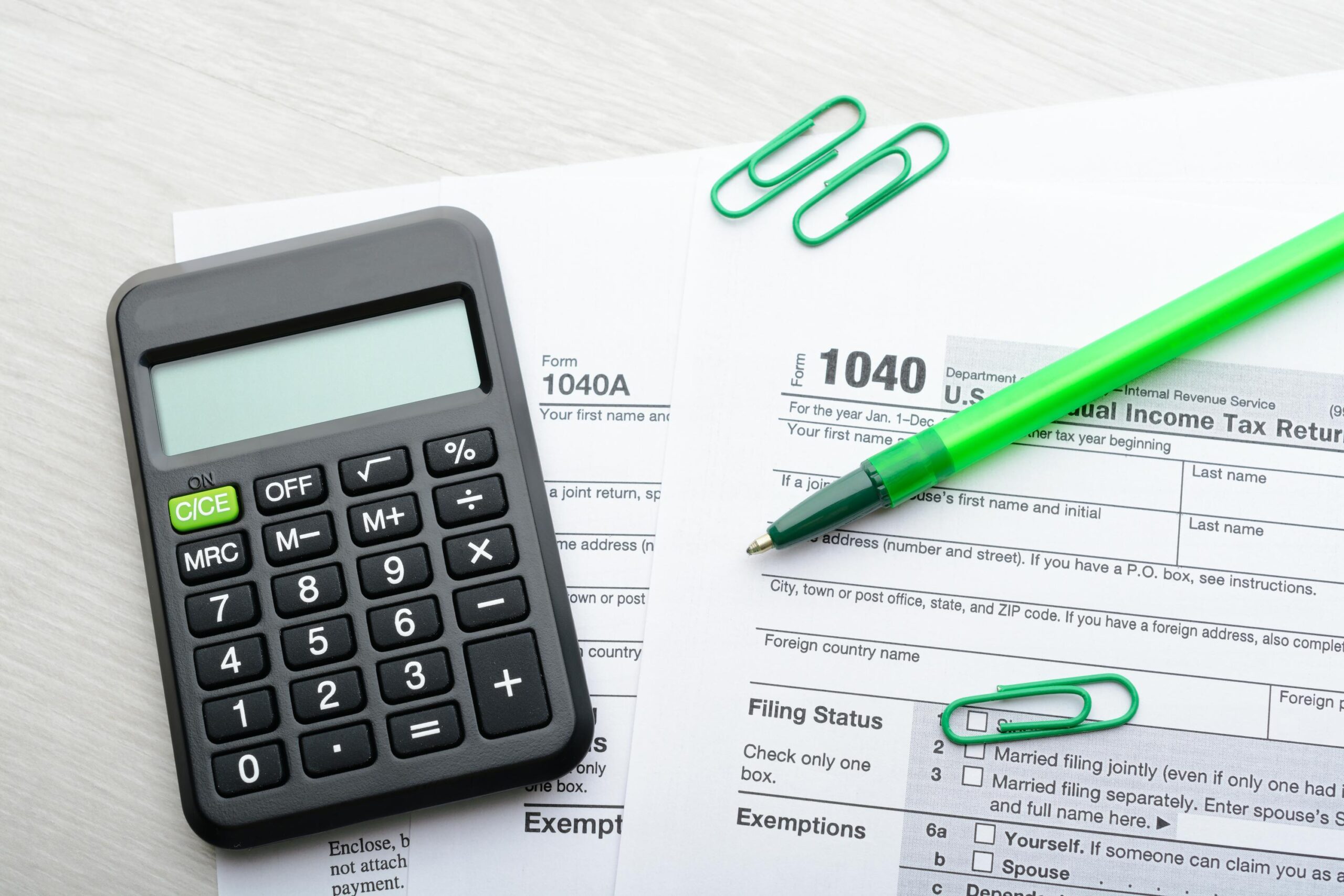
Most retirement plans overlook one key detail: how taxes silently erode your savings over time. Without a tax-aware retirement strategy, you risk losing thousands each year in avoidable taxes. This guide will show you clear steps to reduce taxes in retirement and protect your wealth through smart tax-efficient retirement planning. Read on to learn how a Long Island financial advisor can help you build a plan that secures your future and grows your income.
Building a Tax-Aware Strategy
To protect your retirement savings from unnecessary tax erosion, you need a plan that considers tax implications at every step. The key is not just saving money but keeping more of it by minimizing the tax bite.
Importance of Tax-Efficient Planning
Tax-efficient planning is crucial for maximizing retirement savings. By strategically organizing your investments and withdrawals, you can reduce the taxes you pay, allowing your savings to last longer. This isn’t just about saving money; it’s about securing your financial future. A Long Island financial advisor can tailor strategies to your unique situation, ensuring that your retirement plan aligns with your financial goals and minimizes your tax liabilities.
Essential Tax Reduction Tactics
There are several tactics to help reduce your tax burden in retirement. First, consider withdrawal sequencing, which involves carefully timing when you take money from taxable, tax-deferred, and tax-free accounts. This can significantly lower your tax bill. Next, think about employing strategies like capital gains harvesting to take advantage of lower tax rates on long-term capital gains. Finally, incorporating tax-efficient retirement withdrawal strategies can further protect your savings from taxes.
Maximizing Retirement Income

Once you’ve established a tax-efficient approach, the next step is to maximize your retirement income. By understanding and utilizing available strategies, you can ensure a robust income stream that supports your lifestyle.
Roth Conversion and RMD Planning
Roth conversions and Required Minimum Distributions (RMDs) are powerful tools in retirement planning. By converting traditional IRA funds to a Roth IRA, you can enjoy tax-free withdrawals in the future. This is especially beneficial if you expect to be in a higher tax bracket later. Planning your RMDs is also critical. By taking distributions strategically, you can avoid penalties and manage your tax bracket. Roth conversion strategy is essential for long-term tax savings.
Social Security and Medicare Strategies
Social Security and Medicare decisions have tax implications, too. Timing your Social Security benefits can impact your tax liability. For example, delaying benefits can increase your monthly payout and potentially reduce taxable income. Additionally, understanding Medicare’s Income-Related Monthly Adjustment Amount (IRMAA) is crucial to managing unexpected costs. A well-crafted Social Security tax planning strategy can lead to significant savings.
Tax-Efficient Investment Approaches

Investment strategies that consider tax implications can significantly boost your retirement savings. By choosing the right approaches, you can keep more of your investment returns.
Asset Location and Capital Gains
Asset location involves strategically placing investments in accounts that offer the best tax treatment. For instance, holding bonds in tax-deferred accounts and stocks in taxable accounts can maximize after-tax returns. Additionally, capital gains harvesting involves selling assets with gains to take advantage of lower tax rates, keeping your tax bill in check.
Charitable Distributions and Legacy Planning
Qualified Charitable Distributions (QCDs) allow you to donate directly from an IRA to a charity, reducing your taxable income. This can be an excellent strategy for those inclined to give back, as it provides tax benefits while supporting causes you care about. In terms of legacy planning, ensuring that your assets pass to heirs in a tax-efficient manner is crucial. Trusts, estate planning, and strategic gifting can all play a role in minimizing tax impacts on your estate.
Frequently Asked Questions
What is tax-efficient retirement planning?
Tax-efficient retirement planning involves organizing your financial assets in a way that minimizes your tax burden. By optimizing withdrawals, asset location, and investment strategies, you can reduce taxes and maximize retirement income.
How can a Roth conversion benefit my retirement?
A Roth conversion lets you convert funds from a traditional IRA to a Roth IRA, providing future tax-free withdrawals. This is beneficial if you expect to be in a higher tax bracket in retirement, as it allows you to pay taxes at a lower rate now.
Why is asset location important in retirement planning?
Asset location refers to placing investments in accounts that provide the most favorable tax treatment. By doing this, you can maximize your after-tax returns, leading to more savings and income during retirement.
What are Qualified Charitable Distributions (QCDs)?
QCDs are donations made directly from an IRA to a qualified charity. They reduce your taxable income and can fulfill your Required Minimum Distribution (RMD) requirements, providing tax benefits while supporting charitable causes.
How can I minimize taxes on Social Security benefits?
To minimize taxes on Social Security benefits, consider timing your benefit claims strategically and managing your other sources of taxable income. Delaying benefits can increase payouts and potentially reduce taxable income.