

Most business owners and families pay more taxes than necessary every year. Missed opportunities in payroll tax reduction and retirement planning quietly drain your hard-earned money. With tax-aware financial planning, you can protect your wealth and build a reliable income stream for the long haul. Let’s explore strategies tailored for Long Island clients that keep more money in your pocket and secure your financial future. Learn more about strategic tax planning for business owners and families here.
Tax-Aware Financial Strategies
Let’s dive into some effective strategies to help you save on taxes and grow your wealth. Whether you’re a business owner or managing family finances, these tactics can make a big difference.
Small Business Tax Strategies
Running a business on Long Island? There are smart ways to lower your tax bill. Start by examining your business structure. Is an S-Corp right for you? With S-Corp reasonable compensation rules, you might save on self-employment taxes. Next, take advantage of the QBI deduction under Section 199A. This deduction lets certain business owners deduct up to 20% of their business income. It’s a powerful tool if you qualify. Remember, every dollar saved here is a dollar you can reinvest in your business. For more on tax planning strategies for business owners, check out this comprehensive guide.
Family Financial Planning Tips
Families can also benefit from tax-aware planning. One handy tool is the Health Savings Account (HSA). It offers triple tax benefits: tax-deductible contributions, tax-free growth, and tax-free withdrawals for medical expenses. Plus, it rolls over annually, which means more savings down the line. Consider a backdoor Roth IRA as well. This allows those with higher incomes to enjoy Roth benefits by converting a traditional IRA. It’s a savvy move if you’re above the Roth income limits.
Payroll Tax Reduction Techniques
Are high payroll taxes cutting into your profits? There are techniques to help reduce this burden. Evaluate your compensation structure. Offering fringe benefits like health insurance premiums or retirement plan contributions can lower taxable income for both you and your employees. It’s a win-win: employees get valuable benefits, and you save on payroll taxes.
Optimizing Retirement Income

Once you’ve managed your taxes, focus on securing a steady retirement income. This section explores how tax-efficient planning can stretch your savings further.
Tax-Efficient Retirement Planning
A strategic approach to retirement can boost your income. Use tax-efficient investing to minimize capital gains taxes. Bonds, ETFs, and index funds held in taxable accounts can offer tax advantages. They’re often more tax-efficient than individual stocks. Diversifying your investments this way helps you manage risk while saving on taxes. Consider consulting with a Long Island financial advisor for personalized advice.
Roth Conversions and Strategies
Roth conversions can be a smart retirement strategy. By converting traditional IRA funds to a Roth, you pay taxes now but enjoy tax-free withdrawals later. This move is especially beneficial if you expect to be in a higher tax bracket in retirement. Planning the timing of conversions can maximize savings and minimize tax impacts.
Solo 401(k) and SEP IRA Insights
If you’re self-employed, a Solo 401(k) or SEP IRA can significantly boost your retirement savings. Both offer high contribution limits, letting you save more each year. With a Solo 401(k), you can make contributions both as an employee and employer. It’s a fantastic way to accelerate your retirement fund growth.
Protection and Legacy Planning
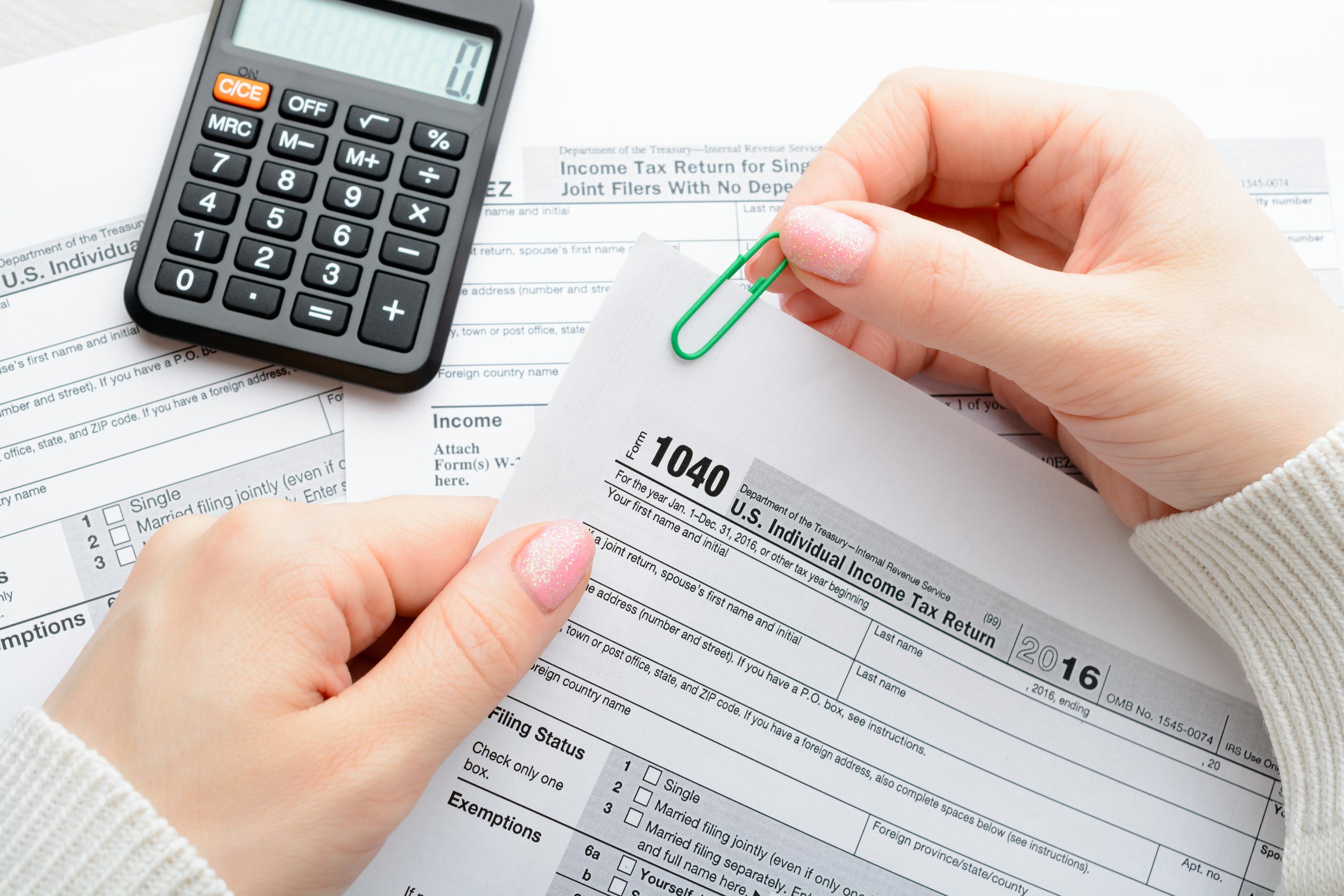
Ensuring that your wealth is protected is just as important as building it. Let’s look at how you can safeguard your legacy.
Estate and Legacy Planning Essentials
Estate planning is crucial to protect your family’s future. Start with a will to outline your wishes. Trusts can also be invaluable, helping to manage your assets and reduce estate taxes. They ensure that your wealth is passed on according to your wishes, with minimal tax impact.
Living Benefits Life Insurance Options
Life insurance isn’t just about death benefits. Living benefits life insurance provides financial support during critical health issues. Policies like Indexed Universal Life (IUL) offer cash value accumulation, which can be accessed in times of need. This flexibility makes life insurance a vital part of a comprehensive financial plan.
1031 Exchange Basics and Benefits
Real estate investors can benefit from the 1031 exchange. This allows you to defer capital gains taxes when you sell an investment property and reinvest in a similar property. It’s a powerful way to build wealth over time, keeping more money working for you.
Frequently Asked Questions
What is tax-aware financial planning?
Tax-aware financial planning involves strategies designed to minimize taxes while maximizing your financial growth. This includes using tax-efficient investments, understanding deductions, and planning for retirement with tax implications in mind.
How can I reduce my payroll taxes as a small business owner?
You can reduce payroll taxes by restructuring employee compensation. Offering benefits like health insurance or contributing to retirement plans can lower taxable income, benefiting both you and your employees.
Why should I consider a Roth conversion?
A Roth conversion can be advantageous if you expect higher future tax rates. Paying taxes now at a lower rate allows for tax-free withdrawals in retirement, potentially saving you money over time.
What’s the benefit of a Solo 401(k) for self-employed individuals?
A Solo 401(k) allows for high contribution limits, which can help self-employed individuals save more for retirement than traditional IRAs. This plan also offers flexibility in contributions as both employer and employee.
How does a 1031 exchange work for real estate investors?
A 1031 exchange lets you defer capital gains taxes by reinvesting the proceeds from the sale of an investment property into a similar property. This deferral helps you grow your investment portfolio more efficiently.