
Most retirement plans overlook the impact taxes have on your savings. Without a clear tax‑aware retirement planning approach, you risk losing thousands in avoidable taxes. This post shows how to build a tax‑smart retirement strategy that protects more of your hard-earned money for lasting security. Keep reading to learn practical steps that Long Island families and business owners use to keep more income in retirement. Learn more about tax-aware investing.
Tax‑Smart Retirement Planning Essentials

The journey to a secure retirement begins with understanding how taxes affect your savings. With the right approach, you can minimize tax impacts and keep more income for yourself.
Understanding Retirement Tax Buckets
Different accounts have distinct tax rules. Knowing these helps you plan better. Traditional IRAs are taxed upon withdrawal, while Roth IRAs grow tax-free. Brokerage accounts might have capital gains taxes. By using the right mix, you can manage your tax bill effectively.
A practical step is to diversify across these tax buckets. This approach allows you to choose which accounts to draw from during retirement, optimizing your tax situation every year. For more insights on tax-aware investing, visit this resource.
Optimizing Contributions and Roth Conversions
Contributing to retirement accounts is just the start. Choosing between a traditional or a Roth IRA can significantly impact your taxes. A Roth conversion is another strategy: you pay taxes now to enjoy tax-free withdrawals later.
Consider doing conversions in years with lower income. This tactic helps reduce your tax bracket during retirement, keeping more of your money in your pocket. To dive deeper into Roth strategies, explore this article.
Importance of Withdrawal Sequencing
The order in which you withdraw funds matters. Start with taxable accounts, then move to tax-deferred, and finally, tax-free accounts. This sequence can lower your total tax bill over time.
By strategically sequencing withdrawals, you can manage your income levels and reduce the risk of pushing yourself into a higher tax bracket. For more on this, see tax-efficient withdrawal strategies.
Strategies for Business Owners
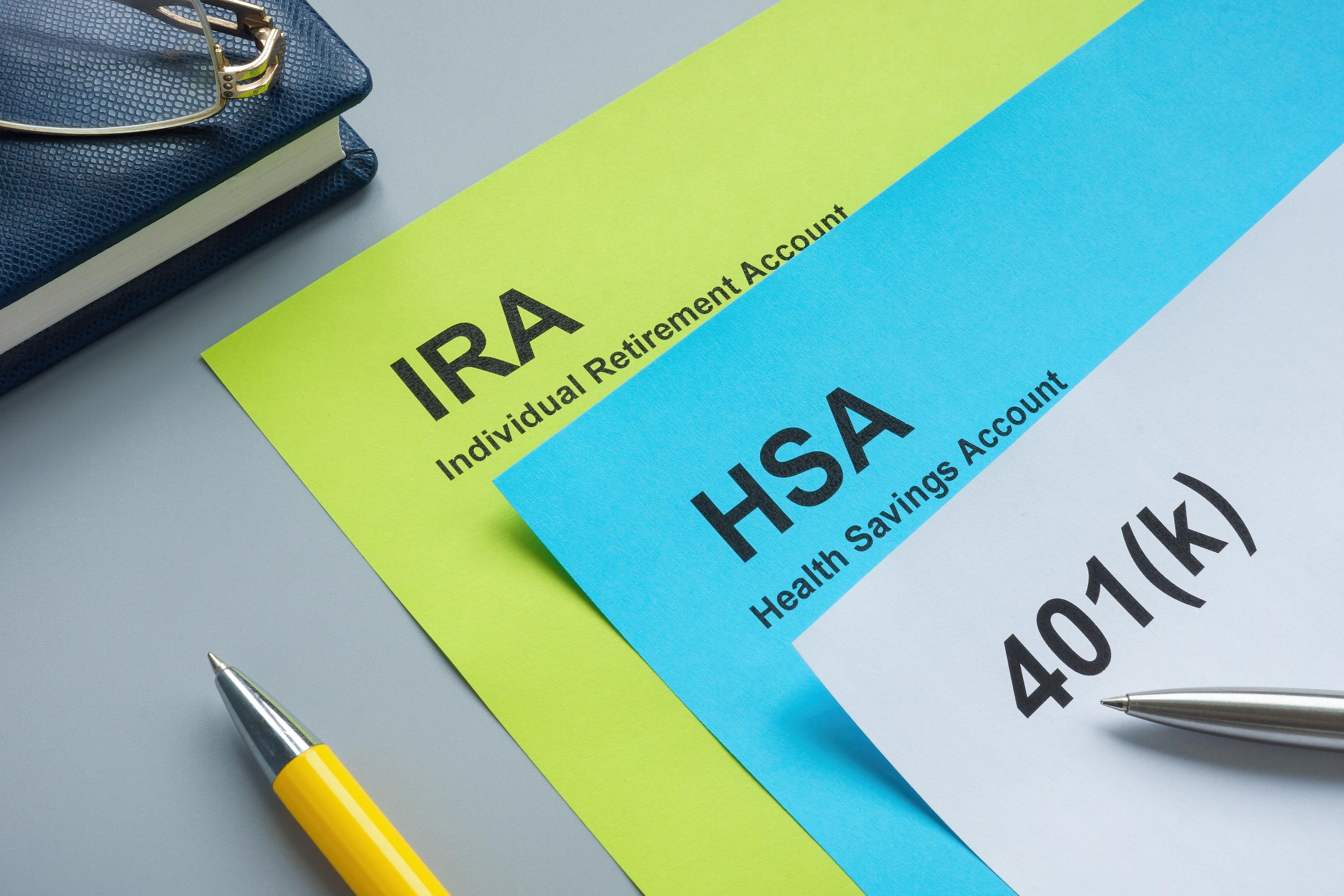
Business owners have unique opportunities for tax planning. Tailoring your retirement strategy to your business can protect your income and maximize your savings.
Small Business Retirement Plans Explained
Small business owners can choose plans like SEP IRAs, SIMPLE IRAs, or solo 401(k)s. Each offers distinct benefits and contribution limits. For instance, a SEP IRA allows for higher contributions based on your earnings.
Selecting the right plan depends on your business size and financial goals. A solo 401(k) might offer more flexibility, while a SEP IRA could be beneficial for higher-income businesses. Explore how to build tax-efficient plans for your family’s future.
Payroll Tax Reduction Tactics
Reducing payroll taxes can add up to significant savings. Consider offering fringe benefits or using S corporations to lower your salary. These strategies can reduce your taxable income and free up funds for other investments.
Understanding the impact of these tactics helps you make informed decisions that benefit both your business and your retirement plan.
Entity-Aligned Retirement Plans
The structure of your business impacts your retirement strategy. Different entities (LLC, S-corp, C-corp) have varied tax advantages. Aligning your retirement plan with your business entity can optimize tax savings.
Ensuring your plan fits your entity can boost both your business’s and personal financial health.
Protecting Your Retirement Income

Protecting your retirement income involves anticipating and managing taxes from various sources. This ensures you keep more of what you earn.
RMD and Social Security Taxation
Required Minimum Distributions (RMDs) start at age 72. They can bump you into a higher tax bracket. Planning for RMDs early can prevent surprises. Social Security benefits might also be taxable, depending on your total income.
To manage these taxes, consider delaying RMDs or adjusting other income streams. This keeps your tax bill lower and your retirement more secure.
Medicare IRMAA Planning
Higher income can increase your Medicare premiums. This is known as IRMAA. Monitoring your income and adjusting withdrawals can help manage these costs. Staying below certain thresholds keeps your premiums affordable.
Proactive planning helps you avoid unexpected costs and keeps more of your retirement income intact.
Charitable Giving Strategies
Giving to charity can reduce your taxable income. Qualified Charitable Distributions (QCDs) from IRAs are an effective way to give and save on taxes. Donor Advised Funds offer another strategic option, allowing you to make donations and receive immediate tax benefits.
Integrating charitable giving into your plan not only supports causes you care about but also strengthens your financial position.
Frequently Asked Questions
What are the benefits of a Roth conversion?
A Roth conversion allows you to pay taxes now and enjoy tax-free withdrawals later. This can save you money in the long run, especially if you expect your tax rate to rise in retirement.
How can business owners reduce payroll taxes?
Business owners can reduce payroll taxes by offering fringe benefits or structuring their business as an S corporation. This can lower taxable income and result in significant savings.
What is the importance of withdrawal sequencing in retirement?
Withdrawal sequencing refers to the order you withdraw funds from different accounts. It helps manage your tax bill by strategically choosing accounts to draw from, keeping taxes lower.
How does RMD affect my taxes?
RMDs, or Required Minimum Distributions, are mandatory withdrawals from tax-deferred accounts. They increase your taxable income, potentially pushing you into a higher tax bracket.
Why should I consider charitable giving in my retirement plan?
Charitable giving can reduce your taxable income while supporting causes you care about. Strategies like Qualified Charitable Distributions offer tax benefits and enhance your financial plan.